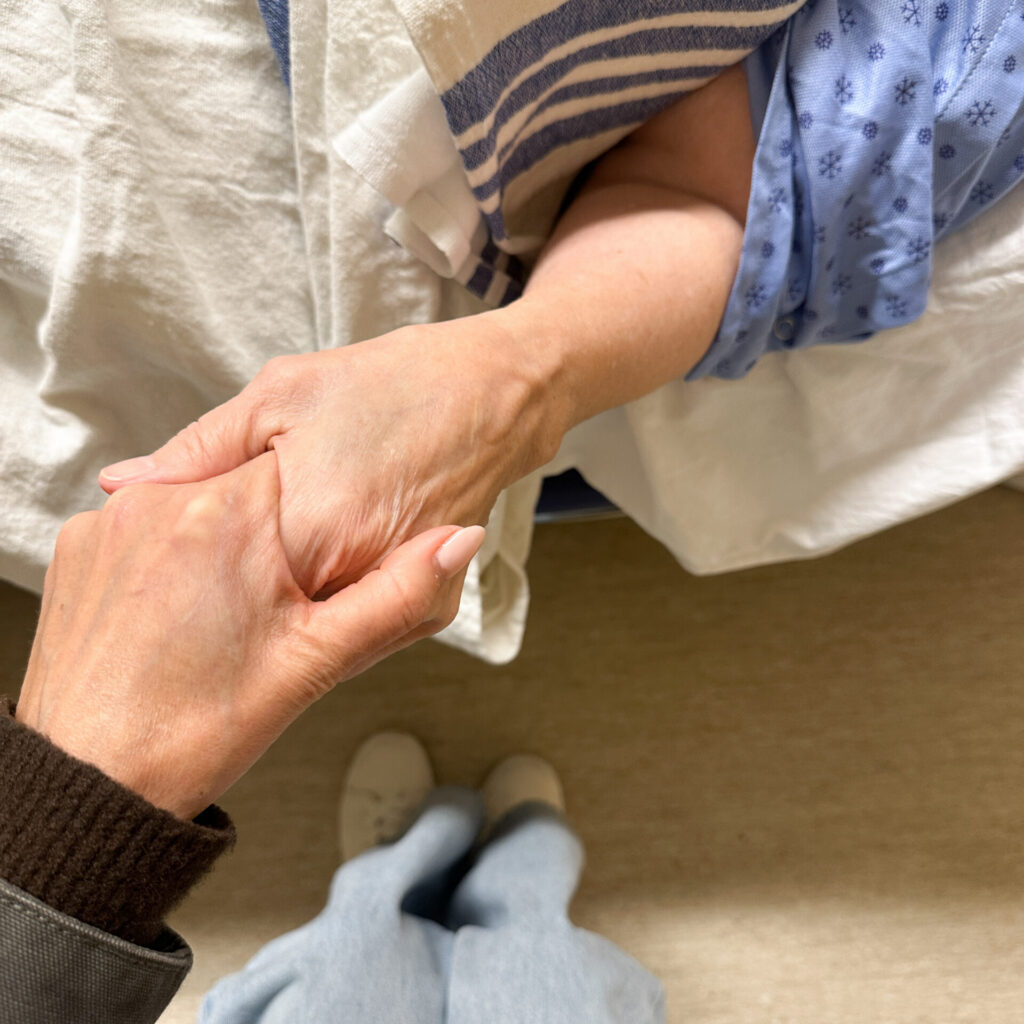
Here’s what to know about hip replacement surgery and what I learned supporting my mom through the process.
My mom has osteoarthritis, like her mom did, and both of her hips have been deteriorating for years. Pain slowly reshaped her days, making it harder for her to move around and do basic tasks. At the same time, she is the primary caregiver for my dad, who has Alzheimer’s – a role that requires constant emotional and physical presence.
When she finally had a hip replacement this past November, the surgery itself was successful. We felt relief. It seemed like the beginning of things finally getting easier for her. A weight off my mom’s shoulders is a weight off mine.
Then, in an instant, everything changed.
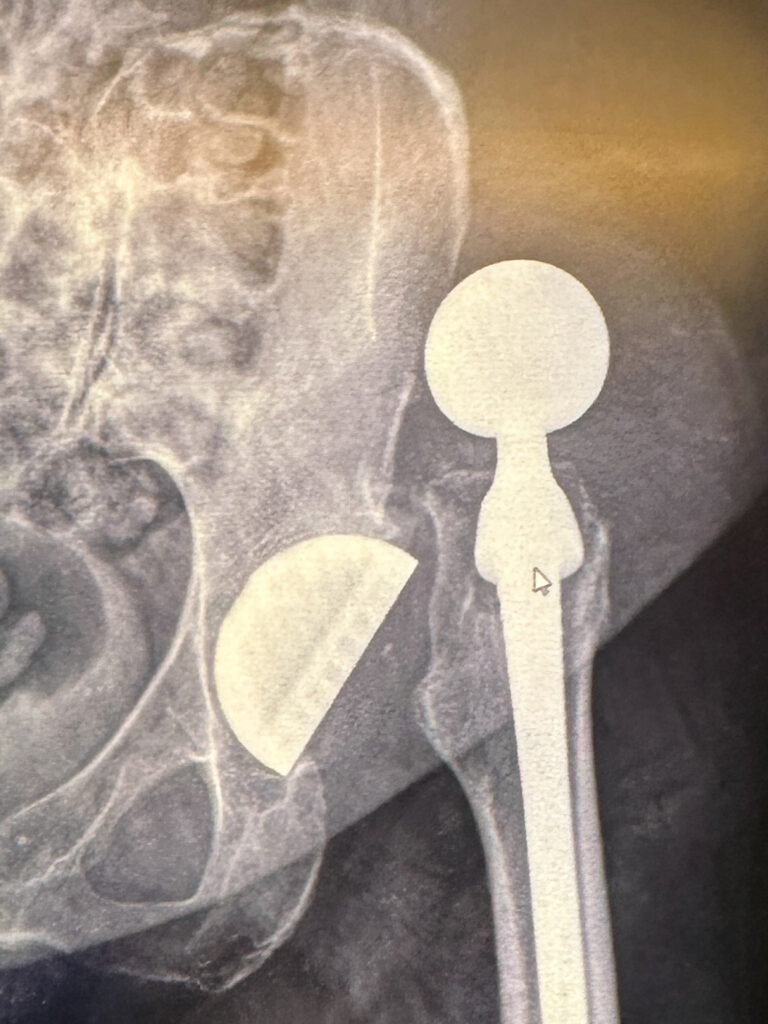
Her hip dislocated violently and without warning. She was in excruciating pain and unable to move. An ambulance took her to emergency, where her hip was put back into place. It was traumatic, frightening, and overwhelming to witness. The feeling of being helpless can be difficult to bear.
During this process, a tendon was torn – something we didn’t know at the time. In the weeks that followed, she couldn’t bear weight on her leg or walk properly. She kept saying something wasn’t right. Imaging later confirmed a full tendon tear with retraction.
When a hip replacement dislocates
What we learned next mattered deeply: there is a short window to repair this kind of injury before it becomes far more difficult, with worse outcomes. Her surgeon (amazing human) acted quickly, and she received the repair she needed.
She and my dad lived with us during her initial recovery, and again through the second chapter of rehabilitation. It’s been special, heavy, and deeply eye-opening – especially witnessing my dad’s cognitive decline more closely. It’s given me a new perspective on just how meaningful this extended time together truly is. It’s a gift tied in an uncomfortable ribbon.
What to know before hip replacement surgery
What followed these experiences was a learning curve, one that taught me more about caregiving, recovery, and advocacy than I ever expected. If I could go back, here’s what I wish I had known before this surgery; the practical, realistic things that actually help when you’re supporting someone through hip replacement and recovery.
Understand what hip replacement surgery recovery actually looks like (before the surgery)
Hip replacement is often described as “routine,” but recovery is still major.
In the first days and weeks, expect significant pain and stiffness, difficulty standing, sitting, and walking, dependence on others for basic tasks, and emotional ups and downs. Even when surgery goes well, the loss of independence can be shocking for someone who is used to managing on their own.
There can also be feelings of frustration, fear, or a sense of identity shifting – and that deserves just as much patience as physical healing.
Have mobility and safety equipment ready well before hip replacement surgery
Do not leave this until the last minute.
Hospitals and physiotherapists typically recommend support equipment, and acquiring it can take a lot of time. We arranged ours in advance through the Red Cross, which was lovely as it is free, but since it’s run by volunteers the hours of operation are sparce. Just a heads up.
Commonly recommended items include a walker or crutches, a raised toilet seat, a shower chair or bench, and grab bars. Having these ready before surgery reduces stress, prevents falls, and makes the first days safer and calmer (for both the patient and caregiver).

Plan for a living space without stairs, at least initially
Stairs are one of the biggest challenges early on. They actually get you to do stairs right after the surgery before you’re discharged which was shocking to me! The body is so amazing.
If you’re able, create a recovery space where the bedroom and bathroom are on the same level, pathways are clear and uncluttered, and chairs are firm and high enough to provide support when standing. Stairs will come back into the routine eventually, but limiting them at first can help support both confidence and recovery.
Expect to be needed in the early days
For the first several days, someone needs to be physically present – not just checking in. Things like getting out of bed, going to the bathroom, managing pain medication, eating, and moving safely all require help.
Plan to have a caregiver available both day and night in the early stages, offering hands-on support with walking and transfers. Take severe pain or sudden changes seriously – listening closely and acting quickly can make all the difference.
Hip dislocation is rare, and in my mom’s case, it was an emergency. The pain was immediate and intense. If someone experiences sudden, severe pain, an inability to move, or visible joint deformity, this should always be treated as a medical emergency – call for help right away.

If the patient is also a caregiver, plan for that role to fully stop
This is critical.
A caregiver’s responsibilities don’t disappear when they’re injured. The mental load often continues, even when their body no longer can.
If the patient is a caregiver to someone else, it’s essential to arrange full coverage for that role, offer reassurance that everything is handled, and gently remove decision-making from their plate. True recovery requires both physical and emotional rest.
Prepare food ahead of time
For me, ensuring my sweet mom was well fed was incredibly important.
In the days leading up to her surgery, I opened up Fraîche Table (where I keep my best recipes) and batch-baked muffins, stocked the freezer with casseroles, and made sure we had nourishing, ready-to-eat options on hand. I was intentional about prepping meals rich in protein and fibre, which helped balance some of the side effects of her medication. I froze smoothie packs and made batches of Creamy Orange Chia Pudding to boost her vitamin C intake and support wound healing.
I knew my energy would be focused on caring for her, and I wasn’t sure how much time or headspace there would be to cook. Taking the time to prepare food ahead of her hip replacement surgery eased that worry – one small way I could take care of her, and myself.
Plan for ways to stay occupied post hip replacement surgery
With hip surgery, downtime is an essential part of healing.
Having simple activities like magazines, books, sudoku, or crossword puzzles on hand can help pass the time and provide a welcome distraction. Quiet moments can feel long, and these small comforts can make recovery feel a little easier.
Use reputable guidance, not internet speculation
When circumstances are both foreign and scary, it’s tempting to search endlessly online. What helped us most was relying on hospital discharge teams, physiotherapists, and organizations like the Red Cross and Arthritis Society.
They offer practical, experience-based guidance focused on safety and recovery, not worst-case scenarios.
This experience has been a powerful reminder that even the strongest, most capable parents can suddenly need a great deal of care.
Watching your parents age is never easy. But understanding what to expect – and how to truly support them – can turn an overwhelming moment into something more manageable, and even meaningful.
Caring for one another is how we move through hard seasons together – it’s how we show up. I hope these reflections and tips offer comfort and guidance, whether you’re preparing for hip replacement surgery now or simply gathering wisdom for what may come.
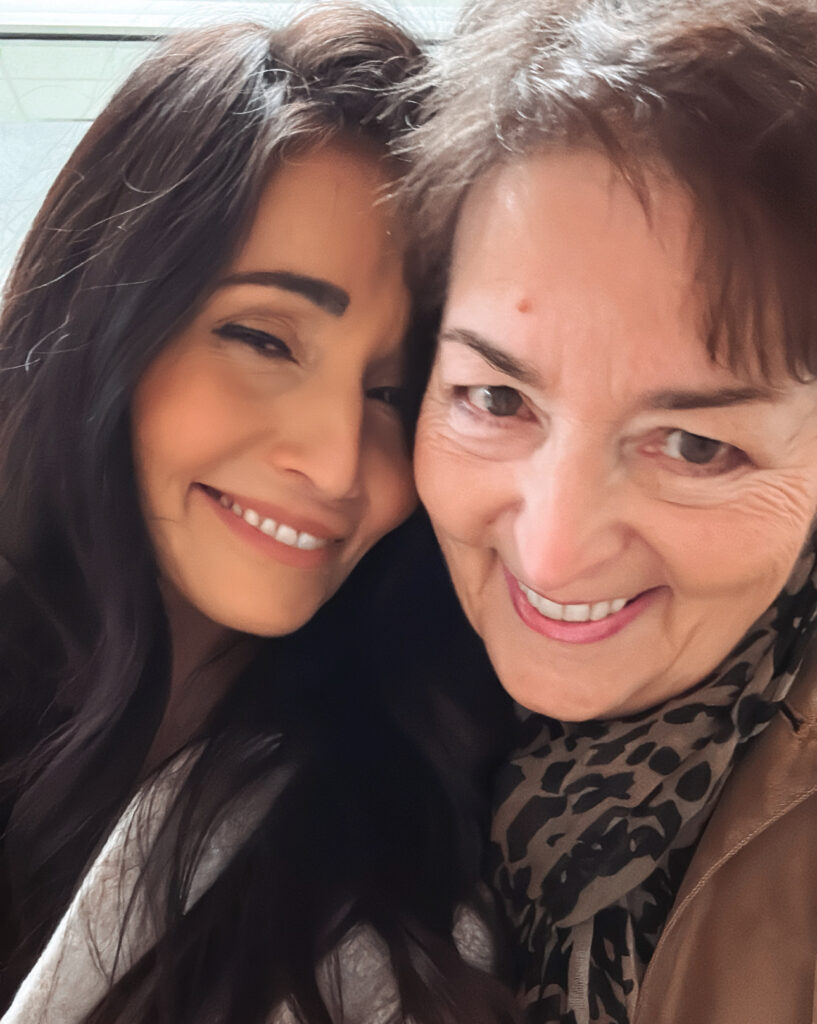
How my mom is doing now
It is now 4 months after her original hip replacement surgery and a couple months after the repair, and she is healing very slowly. The dislocation was a big setback. I sure appreciate everyone who has asked. She really is the sweetest human in the world, and deserves a life of health and all the beautiful things life has to offer. It’s been such a powerful reminder of how precious our health really is.
Take care loves,
Tori










Hi Tori-
I thoroughly enjoyed your blog about your mother’s hip surgeries! It was on point and perfect. I am a retired physical therapist and spent 33 years in home health and skilled nursing facilities and worked with many thousands of patients with total hip replacements. I liked your ideas about food prep and down time activities. Initial surgeries are hard enough but to have a dislocation is even worse. Especially once a hip dislocates, the chances for another dislocation are greater. I wish you and your mom the very best!
p.s. I follow you from the amazing contests in December! One day- I hope to win one of those days of fun!
Thank you so much for this. Coming from someone with your experience, this means the world. And yes, December is coming… stay tuned! I appreciate your well wishes xx
Thank you Tory for the update, and your heartfelt words. You have taken on-a lot. I for one have been lucky. My parents passed in their 90’s, before they needed help, in anyway. Just the normal issues. Still very cognitive. I work partime, doing hairdressing. And stay active. So hopefully my daughters are off the hock regarding my health. Thinking of you and your family. You are a true blessing for your mom and dad, and they are so loved by you all. It will never go unrecognized by them❤️
Your parents living into their 90s with their minds intact — what an absolute gift. I love that you’re taking care of yourself each day! Our kids will thank us. Thank you for your sweet words, they mean more than you know.
I came out to Kelowna to care for a friend (who was alone) after her hip replacement. I stayed for a month, tracking her meds, making certain she did her exercises, cooked and cleaned. I met with her doc and physios beforehand to go over what to expect and what her limitations were. I believe I was conscientious and caring, even when it was stressful and whenever she lost her patience with me. She is a gourmet cook and I am not and that caused the most problems. Evidently there is a correct way to get an avocado out of its shell. Haha.
Having said all that, I was privileged to look after another friend who had a hip replacement and protocols have changed but I learned I am adaptable.
.
You are an incredible friend! The battle over the avocado technique lol – honestly, sounds about right. Thank you for sharing this and for showing up so fully for the people you love.