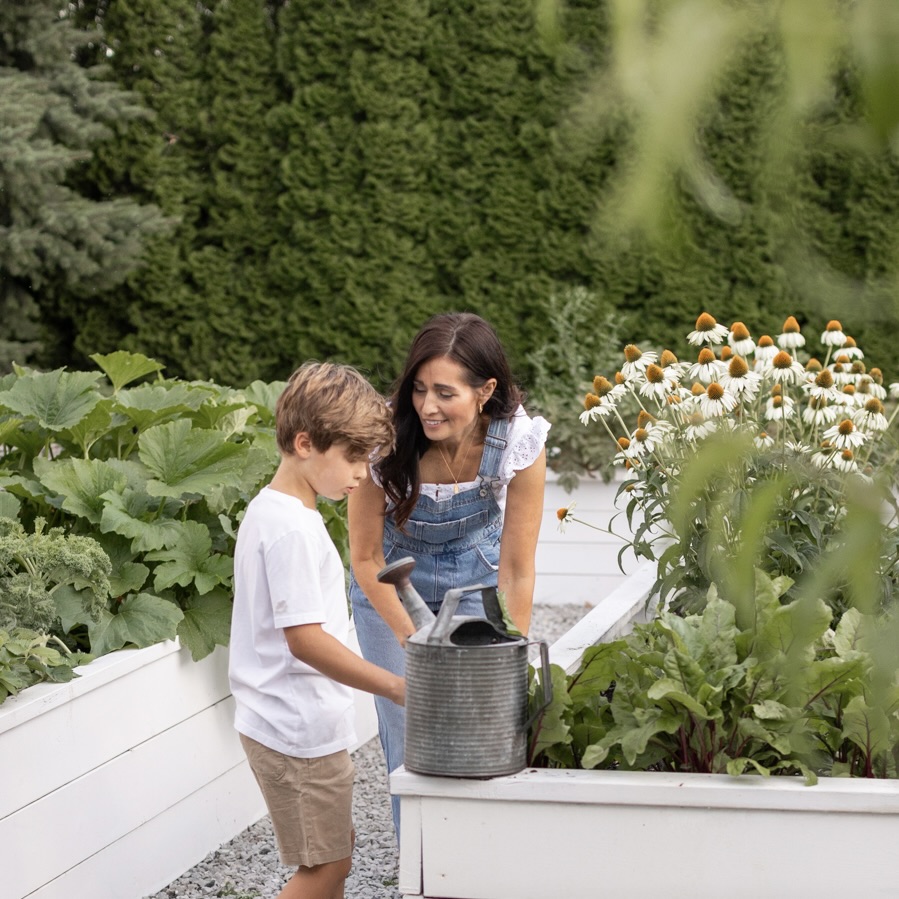
Make this the year that edible flowers earn a place in your garden plan and I promise you won’t regret it. Your garden is about to get a lot more delicious, and your meals a lot more beautiful. Here is your simple guide for how to grow and use edible flowers!
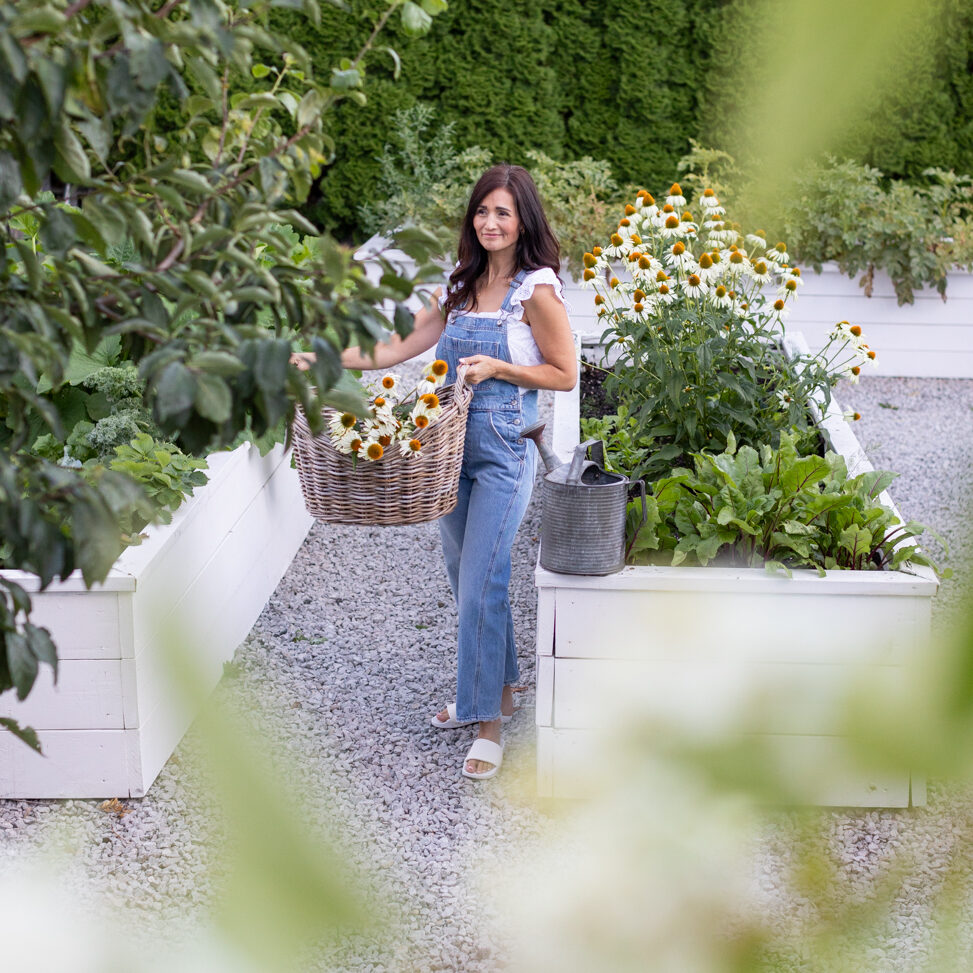
If you’ve been following along lately, you know I’ve been obsessed with all things edible flowers. We’re romanticizing life one petal at a time over here. They’re gorgeous, and give every dish a little more restaurant-quality magic (our eyes always eat first). If Nancy Meyers called and asked me to design her garden, edible flowers would be the first thing I’d plant.
So, I had to call in the big guns. Today I am so excited to welcome the incredibly talented Tasha Medve, BC gal and author of The Purposeful Gardener, to the Fraîche Living blog. Tasha is a kindred spirit when it comes to all things garden – and while I like to think I know my way around an edible flower, I’ll be the first to admit that Tasha taught me a thing or two. Her expertise is genuinely invaluable. Whether you’re a seasoned gardener or just getting started with a few pots on your patio, this edible flower guide is for you.
Take it away, Tasha!
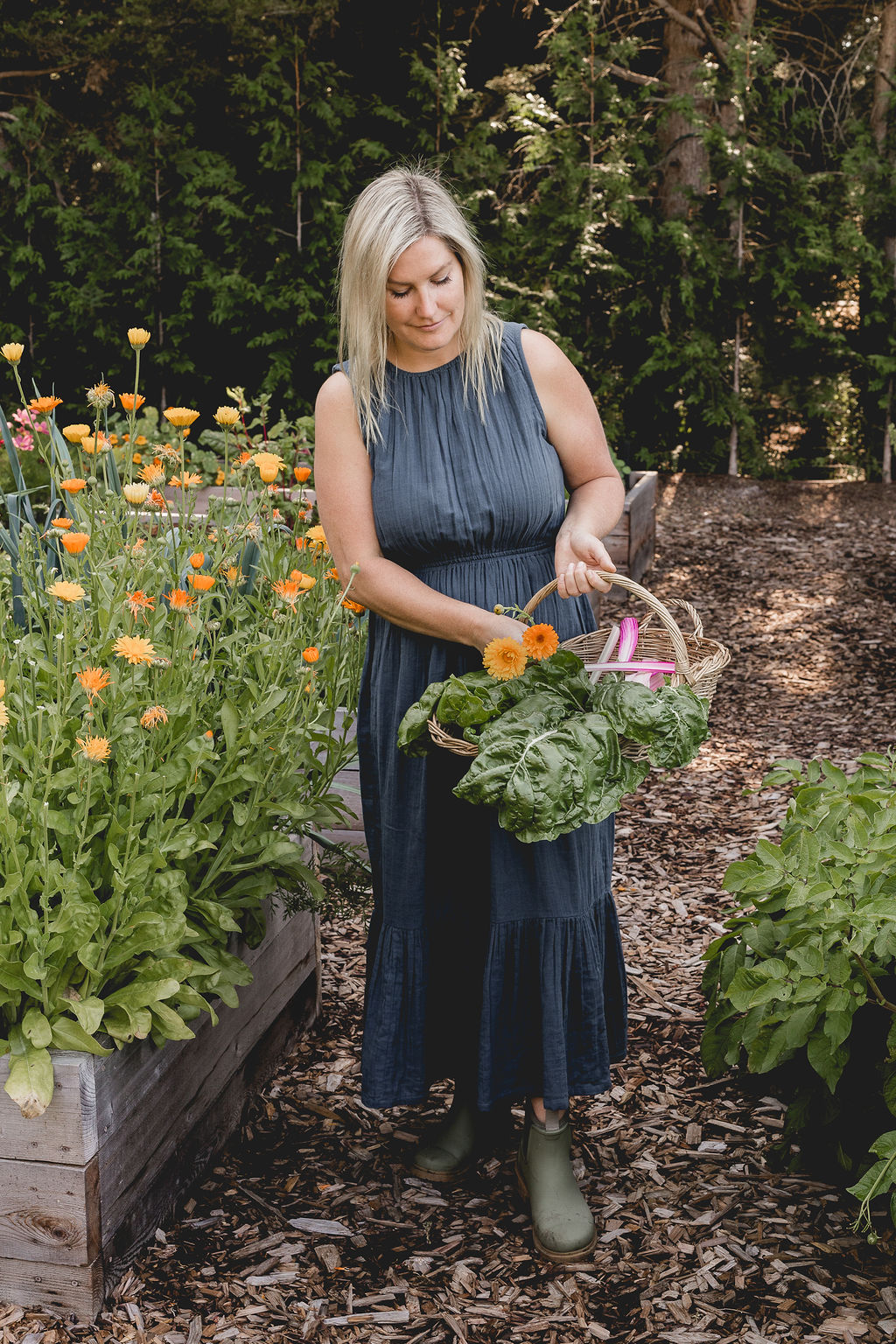
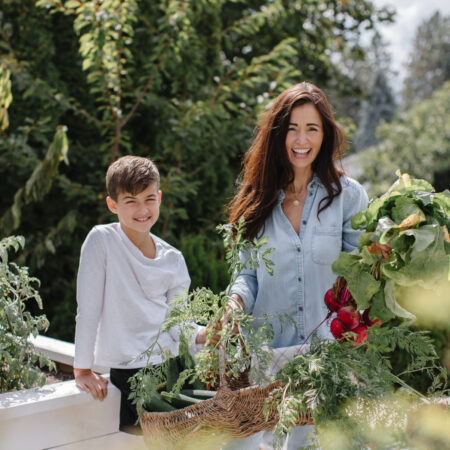
Hi, my name is Tasha Medve. I am the author of The Purposeful Gardener and I am so honoured to be collaborating with Tori on this blog for you. It’s no secret that Tori and I love spending time in the garden, and edible flowers are having a moment this year!
They not only add beauty to your kitchen garden but they add colour, flavour and elevate your everyday meals. The best part is many edible flowers are easy to grow, require minimal maintenance and it’s not too late to plant them! A few containers on a patio or balcony are all it takes to get started.
7 Best Edible Flowers to Grow
We love to make things simple for you, so let’s dive into the top seven edible flowers you can plant in your very own vegetable garden, landscape, or the pots on your patio. Of course, we added a couple recipes we love and hope you try this year too!
Nasturtiums
Nasturtiums are one of the easiest edible flowers to grow. They thrive in sunny locations and you can plant them in the spring and summer. They’re famous for their bright oranges and yellows, but you’ll also find varieties in soft pinks, corals, creamy whites, and rich burgundy tones. The one downside is that they attract aphids so keep an eye on them. The silver lining – Nasturtiums act as a trap crop, drawing aphids away from your vegetables!
Their flowers have a peppery flavour similar to arugula, making them a great addition to salads, sandwiches and flavoured salts.
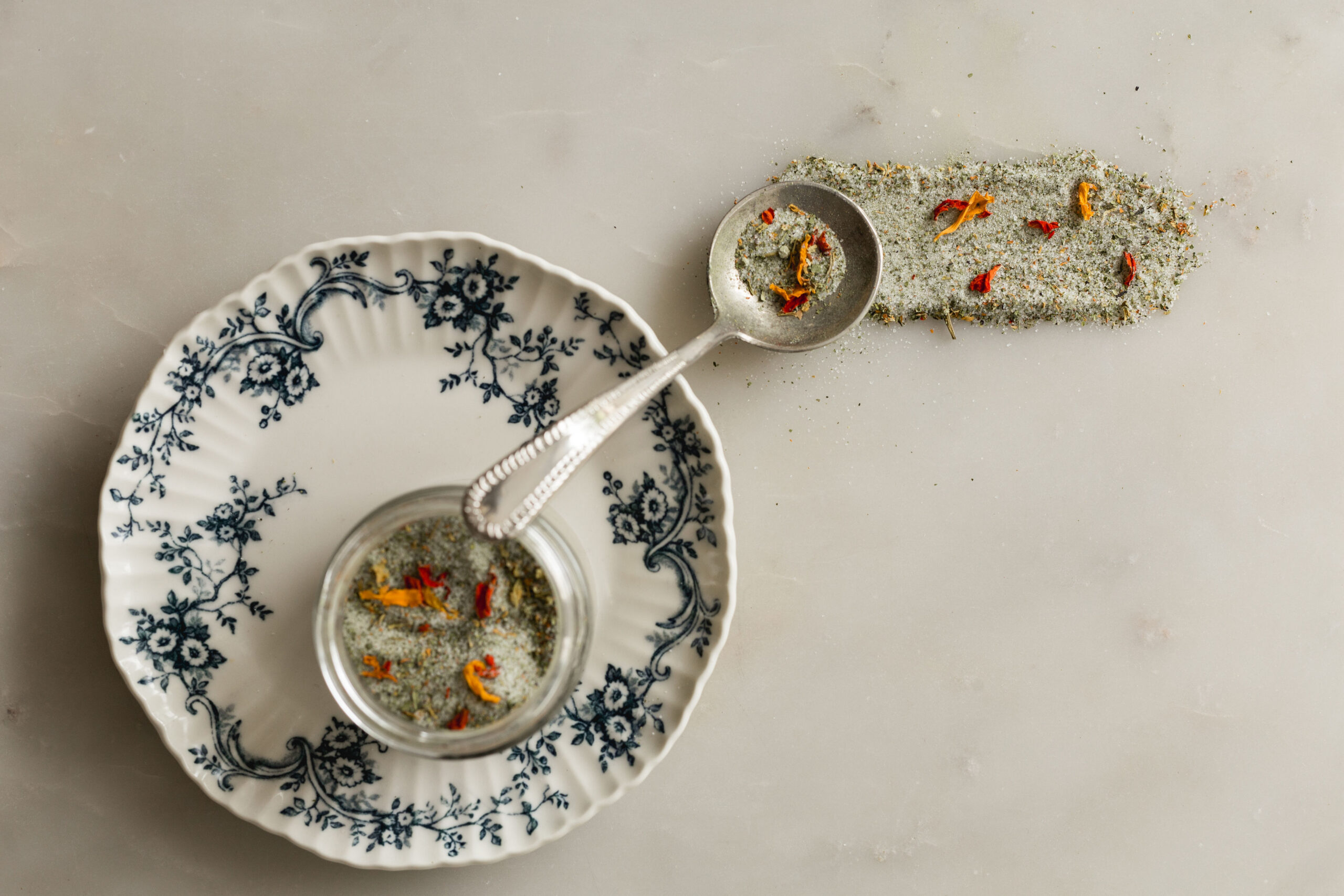
Nasturtium Salt
Nasturtium salt is as stunning as it is simple, with those gorgeous sunset-toned petals adding a peppery, floral bite to everything they touch.
Ingredients
- 20-30 fresh nasturtium flowers and leaves
- 1/4 cup flaky sea salt
Instructions
-
Pick 20-30 nasturtium flowers and leaves. Choose healthy, vibrant blooms free of damage.
-
Rinse gently under cold water to remove any dirt or bugs. Pat dry thoroughly.
-
Dehydrate the flowers and leaves using one of the following methods:
Oven method: Bake at 120°F / 50°C for 4-7 hours, checking frequently – every oven is a little different
Dehydrator method: Dehydrate at 150°F / 60°C for 5-6 hours
-
Once fully dehydrated, blend in a food processor or spice grinder until completely ground.
-
Measure your ground nasturtium – you want a minimum of ¼ cup.
-
Mix ¼ cup ground nasturtium with ¼ cup flaky sea salt. The ratio is 50-50.
-
Transfer to a clean jar with a lid. Store in the pantry for up to 6 months.
Marigolds
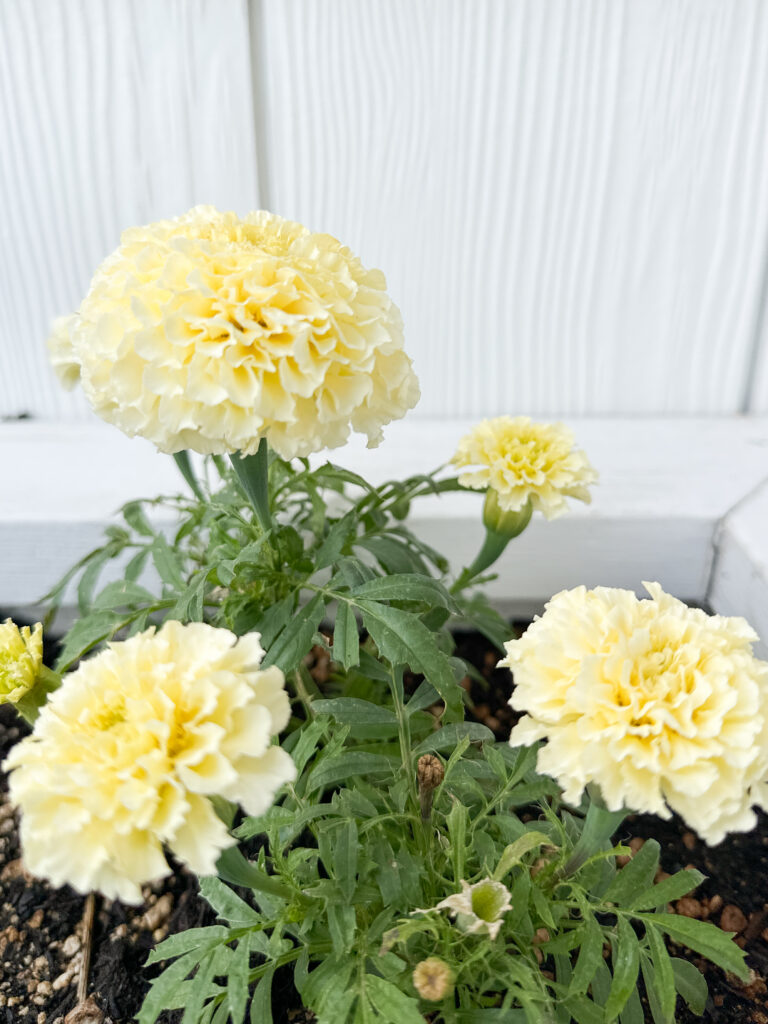
Marigolds are a cheerful and colourful addition to any garden, and they’re edible! Only consume marigolds that you have grown yourself from quality seed or sourced from a farm with certified organic practices (marigolds from garden centres aren’t recommended for eating). Their bright petals make stunning cake toppers, beautiful dried floral sprinkles, and a gorgeous addition to salads and baked dishes. Signet or French marigold varieties work the best!
Calendula
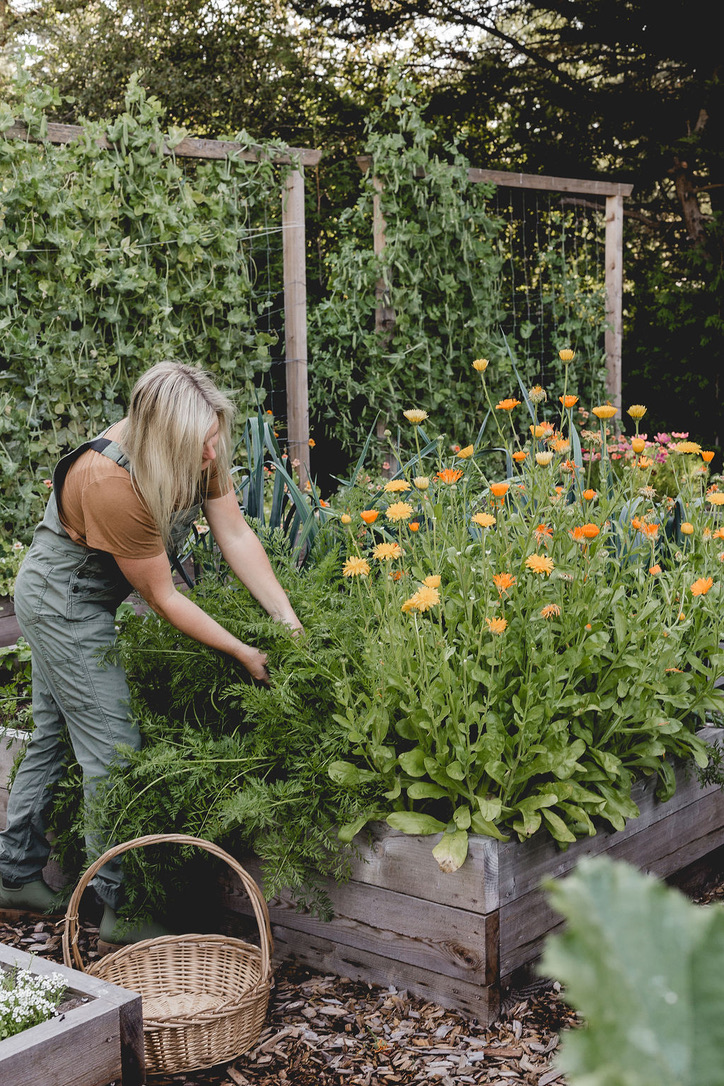
A powerhouse in the garden as they repel unwanted pests to protect your veggies and long valued for its medicinal properties. Calendula grows 1-2 feet tall, making it a striking flower in the vegetable garden. Its bright petals are edible, adding a splash of colour and a mild peppery flavour to salads, soups and baked goods. You can also dry it to make your own tea.
Borage
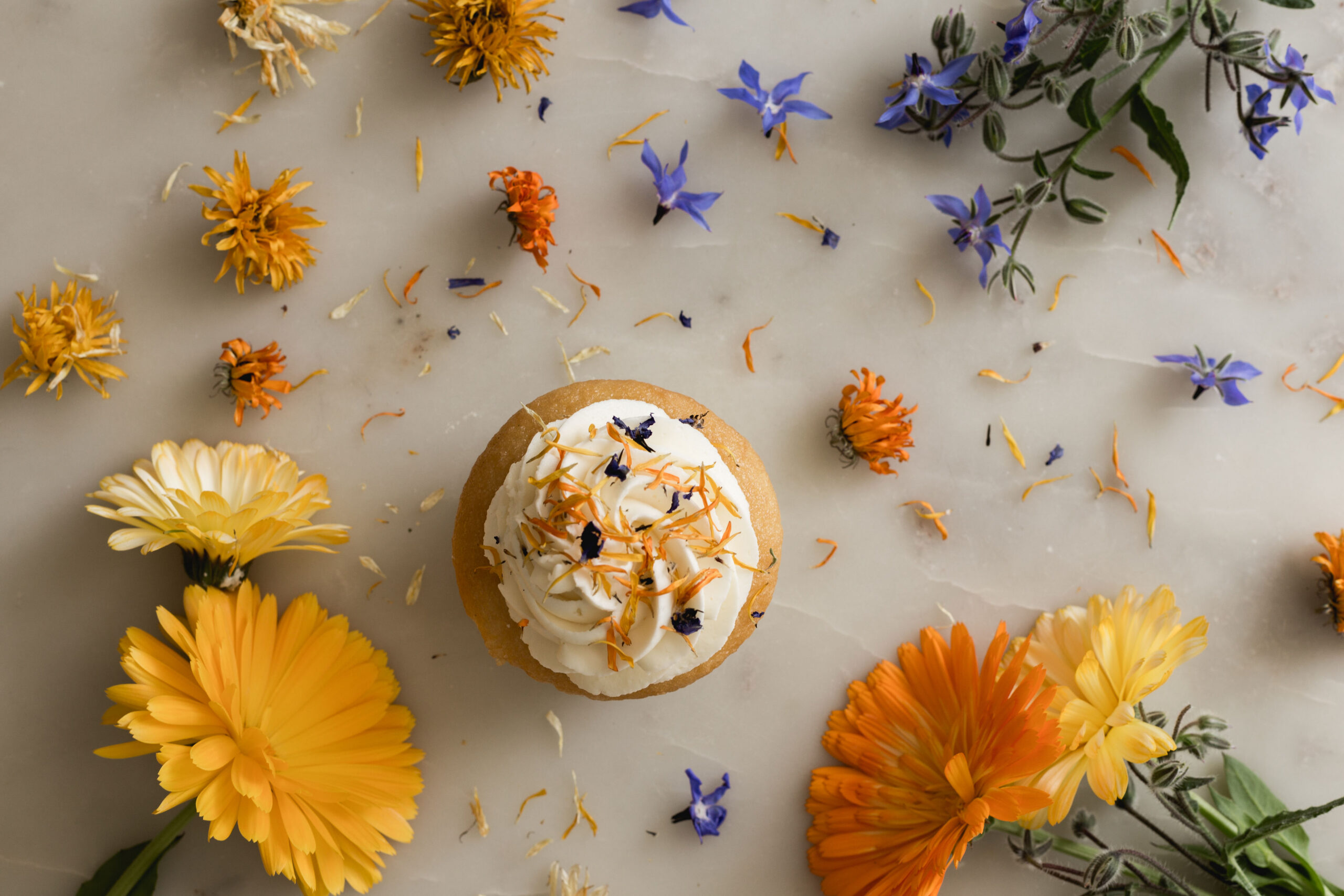
Borage is a beautiful annual herb and a pollinator magnet. It produces stunning blue star-shaped flowers with a refreshing cucumber-like flavour. You have to try it to believe it! These flowers are excellent in summer drinks, salads, and garnishes. You can mix dried calendula and borage petals to make the most beautiful edible floral sprinkles to create a little magic on a birthday or add to vegetable platters, desserts, or charcuterie boards to elevate the plate.
Edible Floral Sprinkles
Move over, regular sprinkles! Dried calendula and borage petals are nature's most beautiful finishing touch, adding a delicate pop of colour to everything they're sprinkled over.
Ingredients
- 20 fresh calendula flowers
- 40 fresh borage flowers
Instructions
-
Rinse the flowers gently under cold water to remove any dirt or bugs. Choose healthy, vibrant blooms.
-
Dehydrate the flowers whole using one of the following methods:
Oven method: Bake at 120°F / 50°C for 4-7 hours, checking frequently – every oven is a little different
Dehydrator method: Dehydrate at 150°F / 60°C for 5-6 hours
-
Once fully dehydrated, remove and allow to cool completely.
-
Once cool, gently pick off the petals and discard the stems.
-
Transfer to a sealed jar and store in the pantry for up to 3 months.
Pansies and Violas
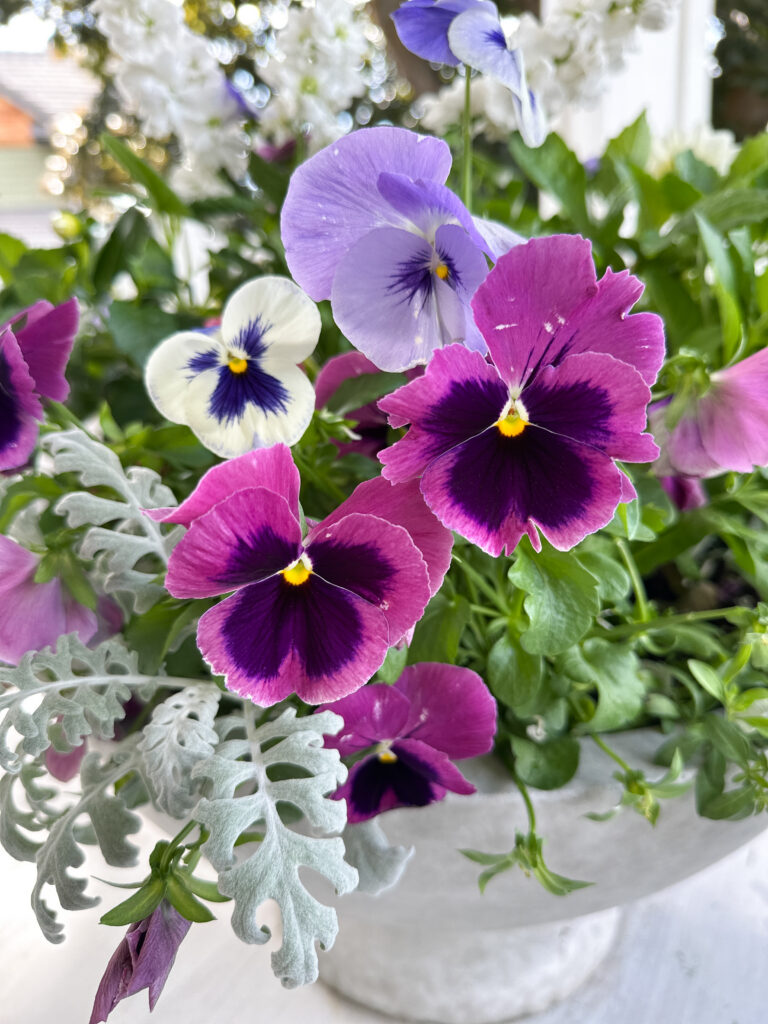
These cheerful flowers are perfect for cooler weather and come in a variety of colours. Their mild, slightly sweet taste makes them ideal for decorating cakes, cookies, and fruit salads. One important tip: always choose organic edible varieties at your nursery, or try growing from seed in the wintertime for a head start on the season. These Edible Pansy Shortbread Cookies are a must try – the prettiest addition to any summer event.
Chive Blossoms
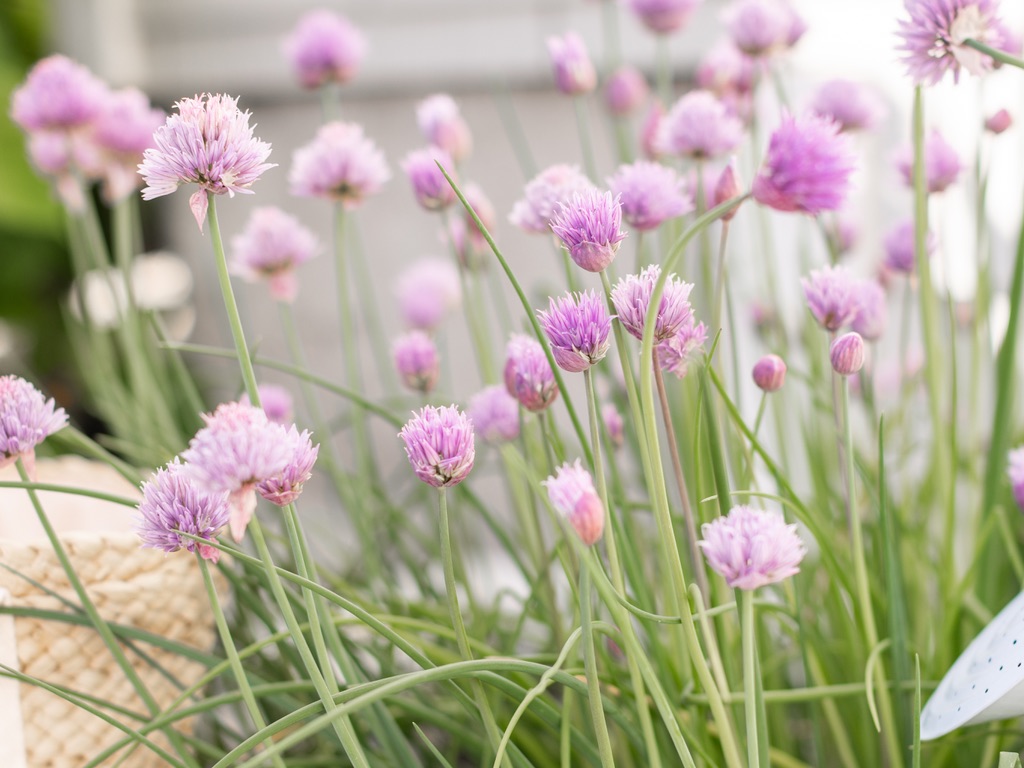
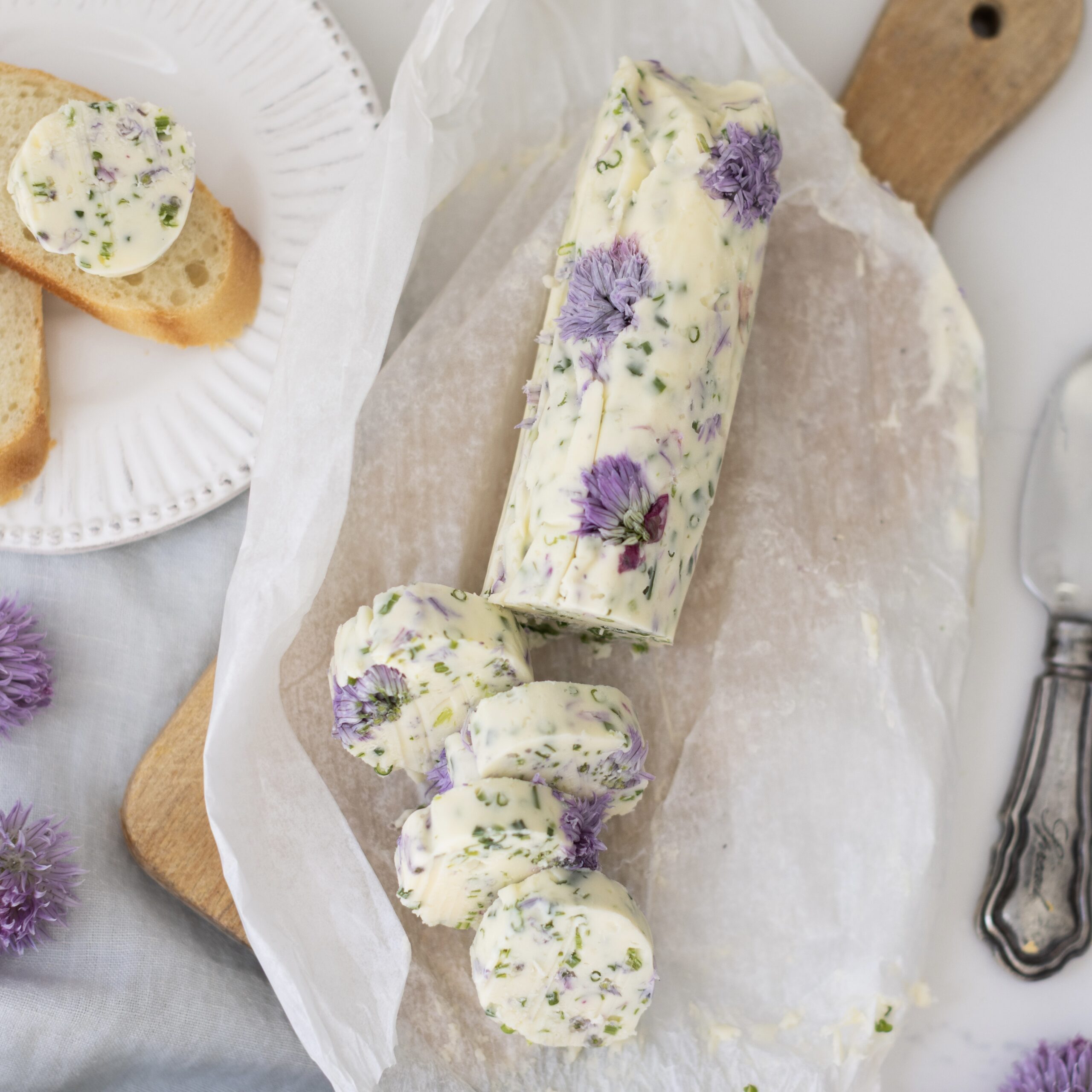
We just wrapped a full series on how to make the most stunning Chive Blossom Butter, Chive Blossom Vinegar, and Chive Blossom Salt – the love here clearly runs deep. Add chive plants to your landscape plans, pots or the corners of your vegetable gardens to enjoy chive blossoms year after year in the spring. Chive blossoms have a mild onion flavour and can add a delicious twist to salads, dips, butters and savoury dishes.
Lavender
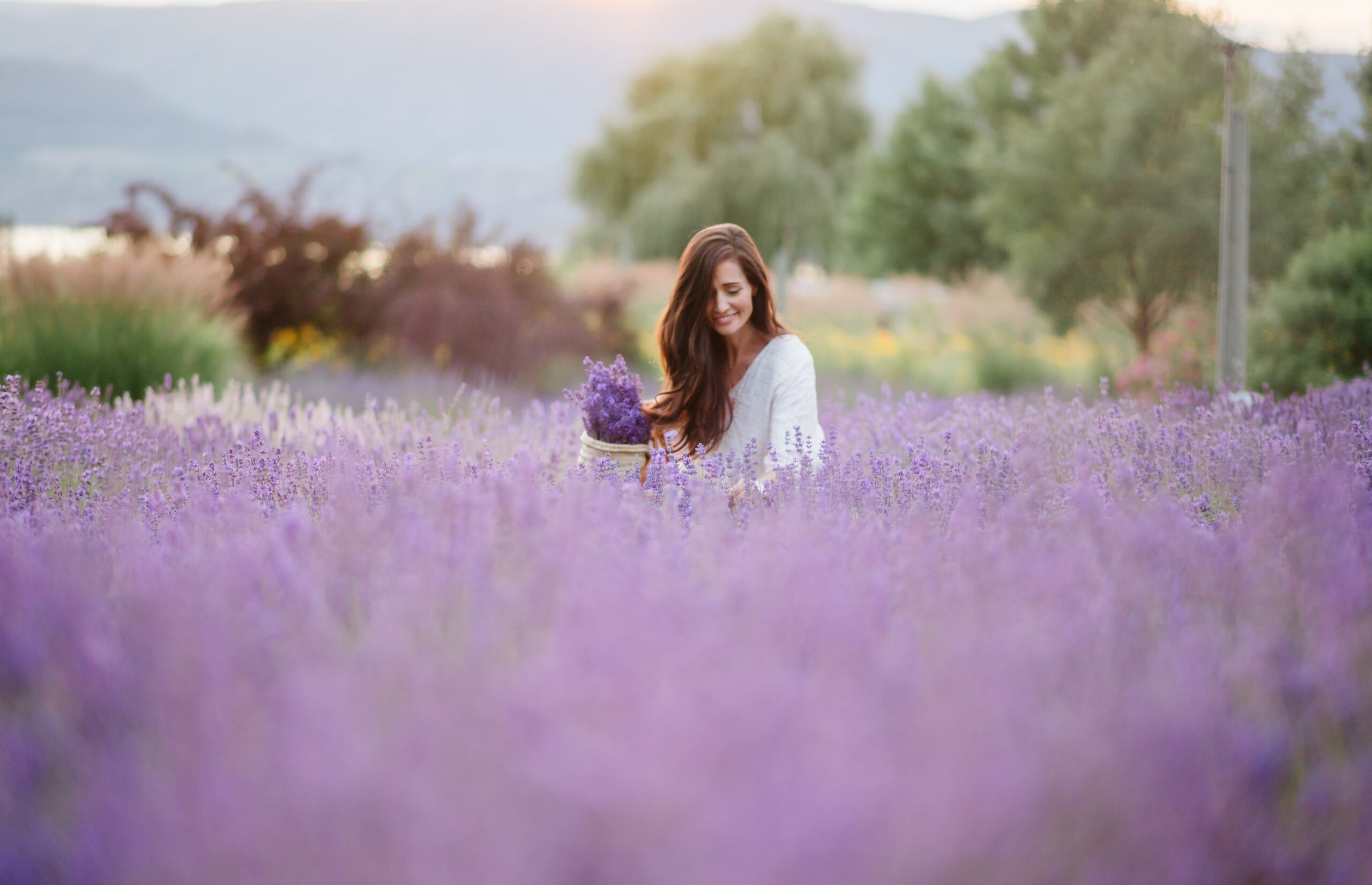
Lavender is one of the most beloved garden flowers – and while it is edible, there is one important thing to know: only English Lavender (Lavandula angustifolia), also known as true lavender, is safe to consume. Other varieties are not edible, so make sure you know what you’re growing before using it in the kitchen! English lavender is absolutely worth growing. It’s best used in lavender syrups for baking and cocktails, and steeped into teas. I also love this Lavender Shortbread.

Lavender Lemonade
This lavender lemonade recipe is fun to make and the perfect light and refereshing drink for summer!
Ingredients
- 2 cups boiling water
- 2 tablespoons dried lavender
- ½-1 cup white sugar depending on the sweetness you want
- 1 cup freshly squeezed lemon juice
- 10 cups cold water*
Instructions
-
Bring the water to a rolling boil. Add the lavender, stir well, and reduce the heat to a simmer. Simmer for 5 minutes. Strain infusion through a coffee filter (we tried it with a fine sieve and it worked). The infusion will be a blue-green colour. Add the sugar and stir until dissolved.
-
Slowly pour the lemon juice into the infusion and watch the colour change to pink! Add the cold water until your pitcher has 12 cups total in it. Serve chilled over ice and garnish with slices of fresh lemon and a sprig of lavender.
Recipe Notes
* Add enough cold water to have 12 cups lemonade total – this will vary depending upon the amount of evaporation when you are simmering your lavender infusion.
3 Important Tips for Growing Edible Flowers
- Choose a sunny location that receives at least six hours of sunlight daily. Use quality vegetable garden soil with good drainage and water consistently, especially during dry periods.
- You can plant by seed or starter plants from your local nursery with one caution. If you are purchasing from your local nursery opt for organic for safe consumption.
- Harvest flowers in the morning when they are fresh and fully open. Gently rinse them in cool water and allow them to dry before using. Be sure to check for aphids or other bugs when harvesting. Only consume flowers that are specifically known to be edible, as some common garden flowers can be toxic.
Easy Ways to Use Edible Flowers
Add Flowers to Salads
One of the easiest ways to enjoy edible flowers is by tossing them into a fresh salad – adding a little whimsy for you or your guests. All of the above edible flowers would be a wonderful addition, adding both colour and flavour.
Create Flower Ice Cubes
Place small flowers such as borage or pansies into ice cube trays, fill with water, and freeze. These decorative cubes look stunning in lemonade, iced tea, or sparkling water.
Make Flower Butter
Much like the Chive Blossom Butter, many edible flowers work wonderfully in butter. Just chop your flowers finely, fold into softened butter, then chill. Floral butter can be spread on bread, melted over vegetables, or served with grilled dishes. Nasturtiums and chive blossoms are our top picks!
We hope you loved reading this and feel inspired to grow edible flowers this year. It’s an easy and enjoyable way to enhance both your garden and your cooking. Our biggest advice: if you’re overewhelmed, start with 2-3 plants this season and discover how edible flowers can bring joy and flavour to every meal.
About Tasha
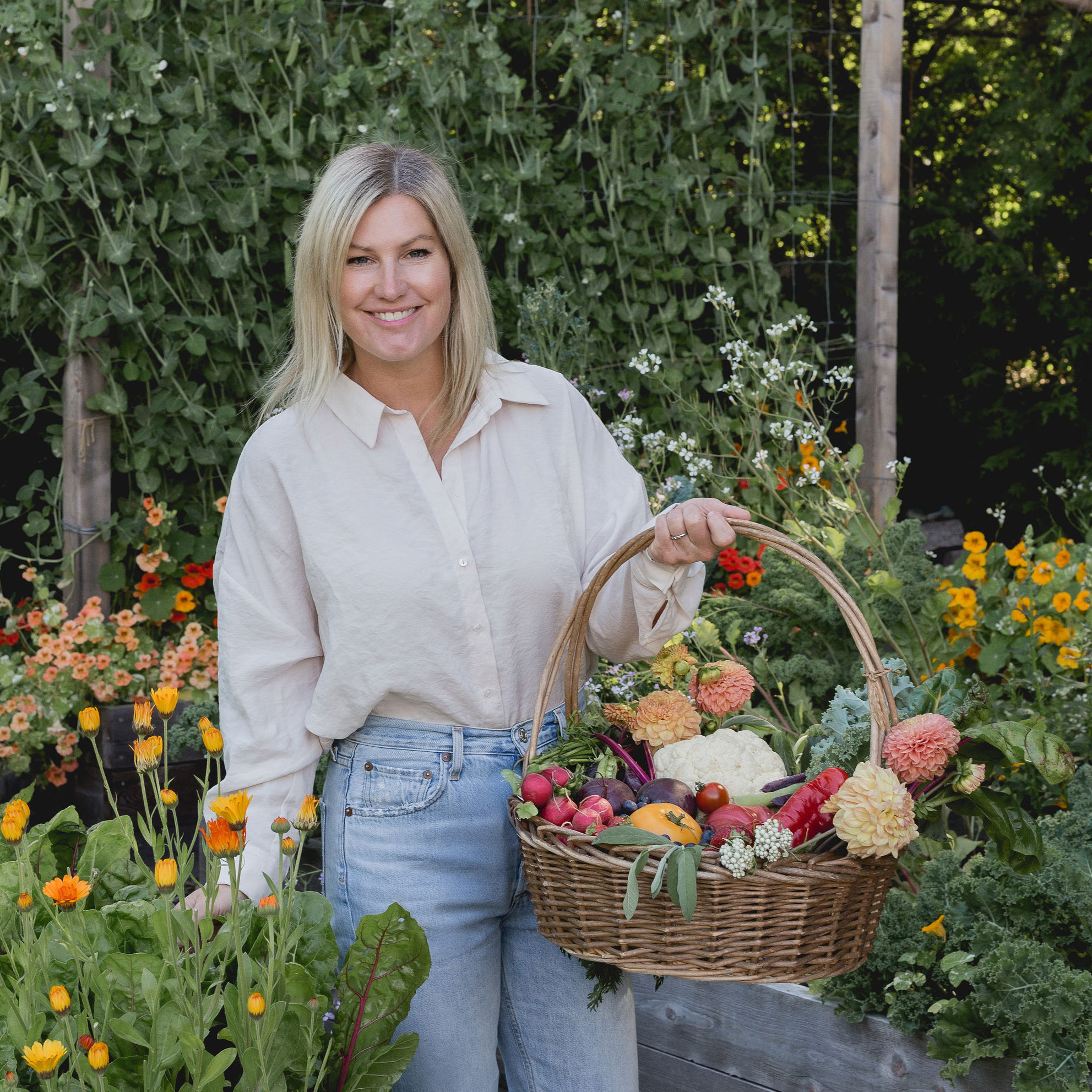
Tasha Medve is the founder and creator of The Purposeful You, a sustainable home and garden lifestyle brand and blog.
She lives on Vancouver Island, Canada, with her husband and two children. With over 510,000 followers on Instagram, Tasha has built a community around backyard veggie and flower gardening, garden-to-table recipes, and intentional living.
She is the author of The Purposeful Gardener – a complete guide to transforming your outdoor space into a thriving food oasis. Follow along with Tasha at @thepurposefulyou.







Leave a Reply